Filter

Sensorleistung und Grenzen

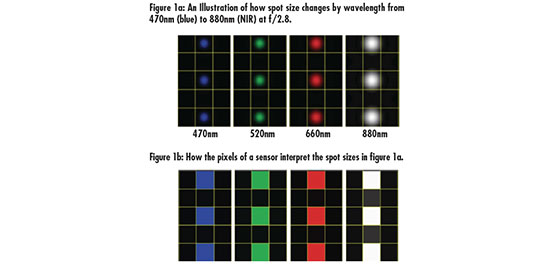
Theorie und Praxis: Was kann ein Sensor leisten und wo liegen die Grenzen? Was ist der Einfluss von Wellenlänge und Blende? Jetzt bei EO nachlesen!

Jetzt ansehen

Bildgebungselektronik 101: Digitalkamera-Einstellungen für bessere Bilder

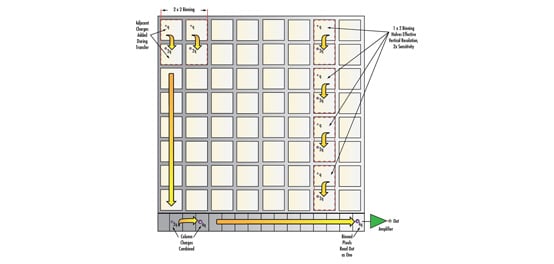
Digitalkamera-Einstellungen ⇒ Kamera-Gain ✓ Gamma-Einstellung ✓ Area of Interest ✓ Binning ✓ Pixeltakt ✓ Offset ✓ Triggerauslösung ⇒ mehr erfahren!

Jetzt ansehen

Bildgebungselektronik 101: Kameraauflösung und ihr Einfluss auf die Bildqualität

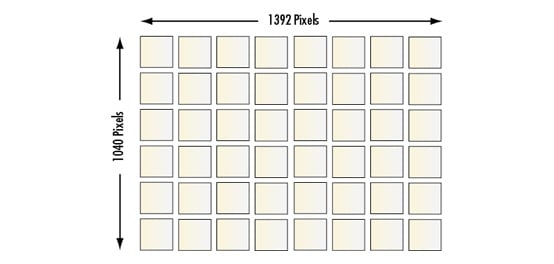
Die Kameraauflösung und der Kontrast spielen eine wichtige Rolle, sowohl für die Optik als auch die Elektronik eines Bildgebungssystems. Mehr erfahren!

Jetzt ansehen

Kamerasensoren für industrielle Bildverarbeitung | Edmund Optics

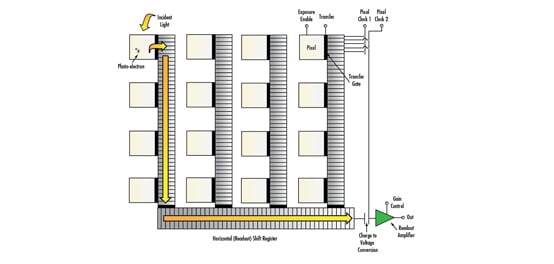
Kamerasensoren für industrielle Bildverarbeitung ⇒ Bildgebungselektronik ✓ Sensorenaufbau: CCD & CMOS ✓ Spektraleigenschaften ⇒ mehr erfahren!

Jetzt ansehen

How Do Cameras Work?

Optical Engineer Kevin Quist explains how cameras work, describing sensors, lenses, and pixels in a kid-friendly way

Jetzt ansehen

Advancements in Short Wave Infrared Sensors

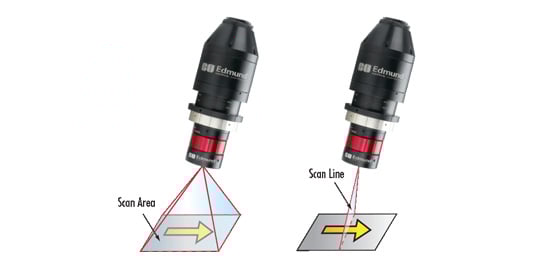
What is a progressive scan camera and when should I use one?

I recently removed an optical low pass filter from my digital camera. Do you have any suggestions on how to measure its Modulation Transfer Function (MTF)?

I recently removed the IR cut filter from my camera and did not replace it with any type of clear glass. It has since lost sensitivity in the IR, which was the goal, but also focus ability in the optics. Can you explain why this is so?

Does Edmund Optics sell cameras with APS-C or APS-H sensors?

Does Edmund Optics sell cameras with a TFL Mount?

Is there a difference between the resolution capability of a monochrome and a color camera?

Automatische Verstärkungsregelung (AVR)

Gegenlichtkompensation

Bayer Filter

Binning

Blooming

Platinenkamera

Jitter

Scheimpflug Condition

Time Delay Integration (TDI)

Rechner für Bildverarbeitung

Berechnen Sie die benötigte Brennweite für Ihr Objektiv und weitere Parameter - einfach und schnell bei Edmund Optics!

Jetzt ansehen

Imaging Lens Selector

Sensoren und Objektive

Edmund Optics erklärt Sensoren und Auflösung ⇒ Abstimmung von Sensoren und Objektiven ✓ Nyquist-Frequenz ✓ MTF und Pixelgröße ⇒ mehr erfahren!

Jetzt ansehen

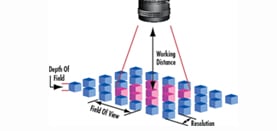
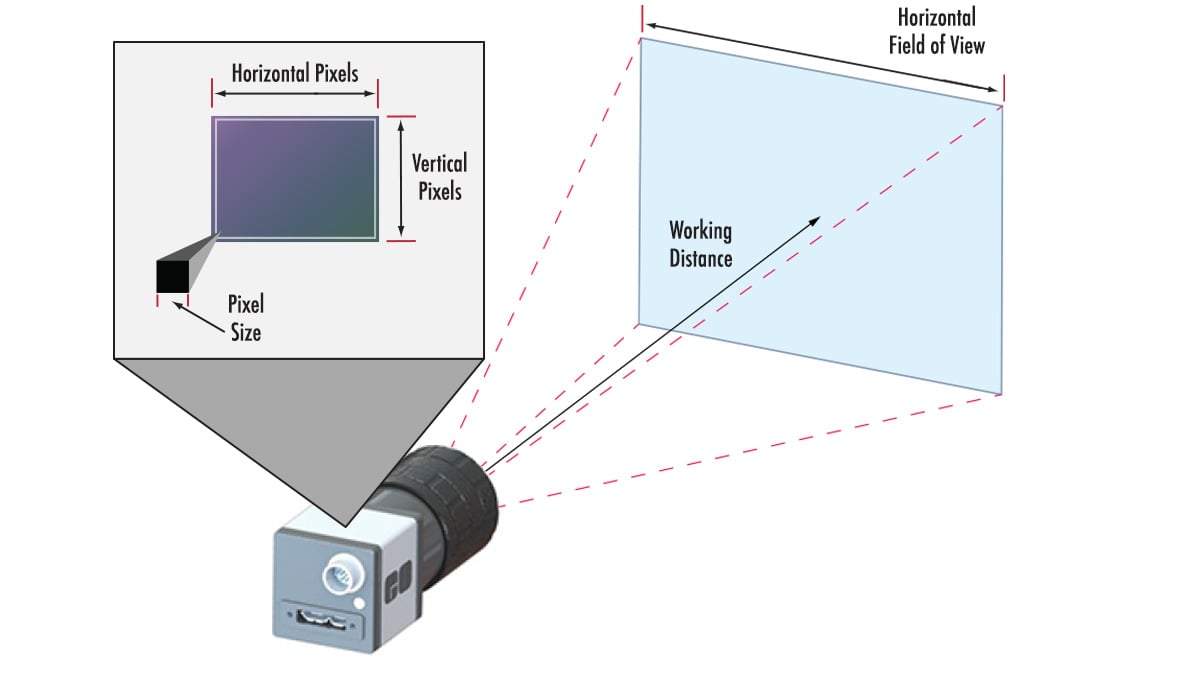
Grundlagen der Bildverarbeitung

Grundlagen der Bildverarbeitung auf einen Blick ⇒ horizonatales & vertikales Bildfeld ✓ Tiefenschärfe ✓ Vergrößerung ⇒ mehr erfahren!

Jetzt ansehen

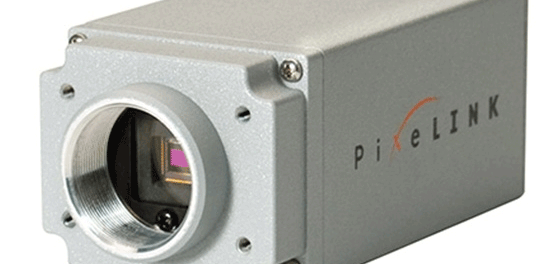
From Lens to Sensor: Limitations on Collecting Information

Trying to understand how much information you can obtain from a lens and sensor? Learn more about the limitations of collecting data at Edmund Optics.
Jetzt ansehen

Kameras - Schnittstellen & andere Parameter

Alles rund um Kameras ⇒ digitale Kameraschnittstellen ✓ Stromversorgung ✓ Software ✓ Sensoren ✓ spektrale Eigenschaften ⇒ hier Informieren!

Jetzt ansehen

Object Space Resolution

Are you new to imaging and want to learn more about lens magnification? Learn more about lens magnification and other key imaging concepts at Edmund Optics.
Jetzt ansehen

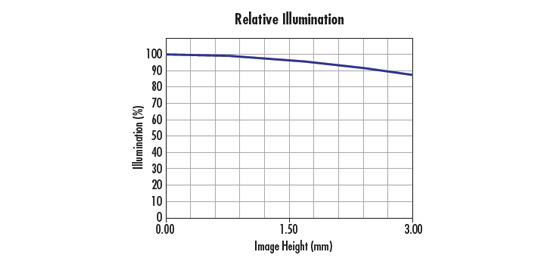
Relative Beleuchtung, Randabfall und Vignettierung

Edmund Optics erklärt relative Beleuchtung, Randabfall, Vignettierung ⇒ Sensorgröße + Beleuchtung ✓ Vignettierung bei Objektiven ⇒ mehr erfahren!

Jetzt ansehen

LIGHT TALK - EPISODE 2: Increasing Imaging Sensor Sizes with Katie Schwertz

Join our discussion about increasing imaging sensor sizes and what that means for optical designers in the second episode of our LIGHT TALKS series.

Jetzt ansehen

Imaging Innovation Summit Keynote

Master the mindset needed for building an imaging system from asking the right questions to properly combining imaging technologies.

Jetzt ansehen

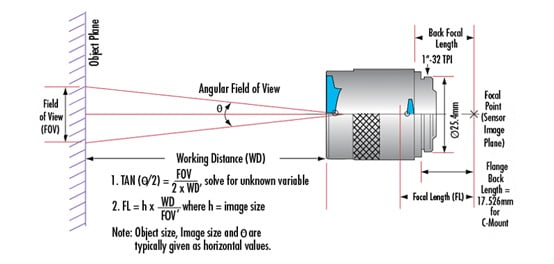
Grundlagen zu Arbeitsabstand und Brennweite

Arbeitsabstand und Brennweite sind zwei grundlegende Parameter eines jeden Abbildungssystems. Erfahren Sie mehr in dieser praxisnahen Video-Demo.

Jetzt ansehen

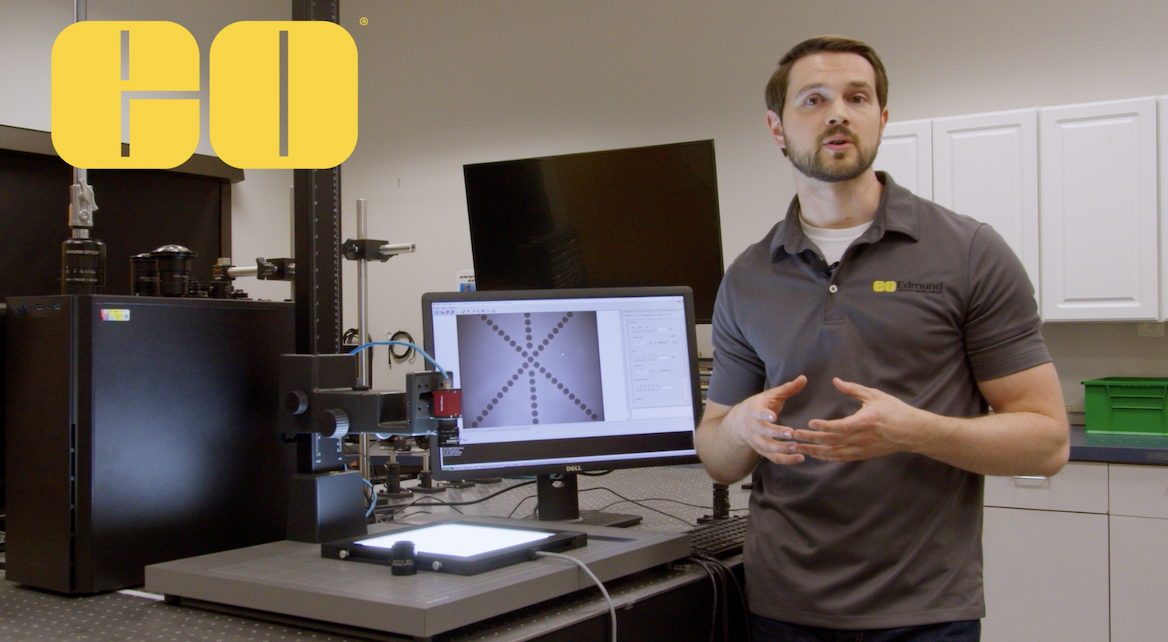
EO Imaging Lab Modul 1: Überblick über die Bildverarbeitung

Learn how to specify imaging system components.

Jetzt ansehen

What is the difference between Primary Magnification and System Magnification?

I need a video lens for my camera - but where do I start?

Seitenverhältnis

Auflagemaß

CCD (Charge-Coupled Device)

Farbsensor

Digitales Signal

Digitale Signalverarbeitung (DSP)

Electronic Shutter

Gain

Gamma

Horizontal Resolution

Image Capture Board (Frame Grabber)

Integration Time

Minimum Sensitivity

Monochrome Sensor

Polychromatic

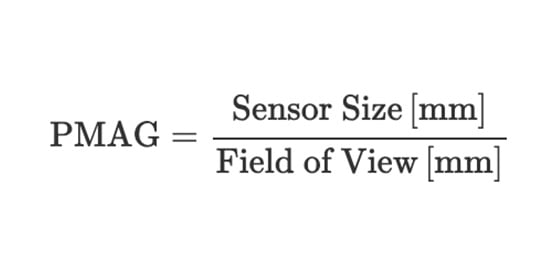
Primary Magnification (PMAG)

Progressive Scan

Relative Illumination (RI)

Sensing Area

Shutter Speed

S-Mount

T-Mount

White Balance

Bewährte Praktiken für bessere Bildgebung

Verwenden Sie häufig Bildverarbeitungssysteme in Ihrem Beruf? Bei Edmund Optics finden Sie Tipps und Praktiken für verbesserte Bildverarbeitungssysteme.

Jetzt ansehen

Was ist Bildverarbeitung?

Bildverarbeitung: Objektive projizieren Lichtstrahlen auf einen Sensor, um Objektdetails für Inspektion, Sortierung und Analyse abzubilden.

Jetzt ansehen

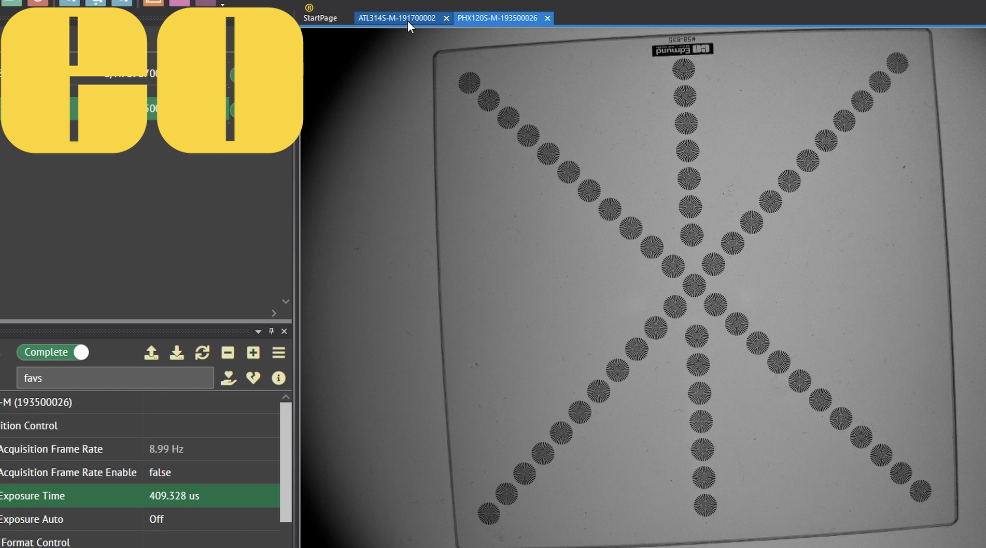
Auflösung und MTF-Tests

Edmund Optics erklärt MTF-Tests ⇒ Rückprojektionstest ✓ Modulationstransferfunktion ✓ MTF über Kanten-Abbildung ✓ Kamera-Tests ⇒ mehr erfahren!

Jetzt ansehen

Bildverarbeitung für Golfsimulatoren

Objektive und Kameras sind wichtige Komponenten für Golfsimulatoren - mehr Infos bei Edmund Optics!

Jetzt ansehen

LIGHT TALK - EPISODE 1: Machine Vision Trends with Nick Sischka

Join our discussion around machine vision trends including such as increasing resolution and new sensors in the first episode of our LIGHT TALKS series.

Jetzt ansehen

Hyperspectral & Multispectral Imaging – TRENDING IN OPTICS: EPISODE 7

Hyperspectral and multispectral imaging are imaging technologies that capture information from a broader portion of the electromagnetic spectrum.

Jetzt ansehen

Objektivtypen, Auflösung und Sensorabdeckung

Nick Sischka von Edmund Optics erklärt, welches Bildverarbeitungsobjektiv zu welchem Sensor passt und welche Kompromisse eingegangen werden müssen.

Jetzt ansehen

Axial and Lateral Chromatic Aberration

Chromatic aberrations impact the performance of imaging systems in many different ways, as exemplified in this hands-on demonstration.

Jetzt ansehen

Edmund Optics Imaging Lab 1.1: Field of View

Learn how to specify imaging system components.

Jetzt ansehen

Edmund Optics Imaging Lab 1.2: Working Distance

Edmund Optics Imaging Lab 1.5: Sensor Size

Learn how to specify imaging system components.

Jetzt ansehen

Next generation image sensors: Are suppliers ready to meet growing customer expectations?

CMOS (Complementary Metal Oxide Semiconductor)

Kontrast

Dynamikbereich

Frame Rate

Monochromatic

Pixel

Pixel Clock

Pixel Depth

Sensor Format

Signal-to-Noise Ratio (SNR)

Spatial Frequency

Resolution and Contrast Comparison

Learn how Edmund Optics maintains optical performance across the entire image plane through this resolution and contrast comparison using our C Series FFL lens.

Jetzt ansehen

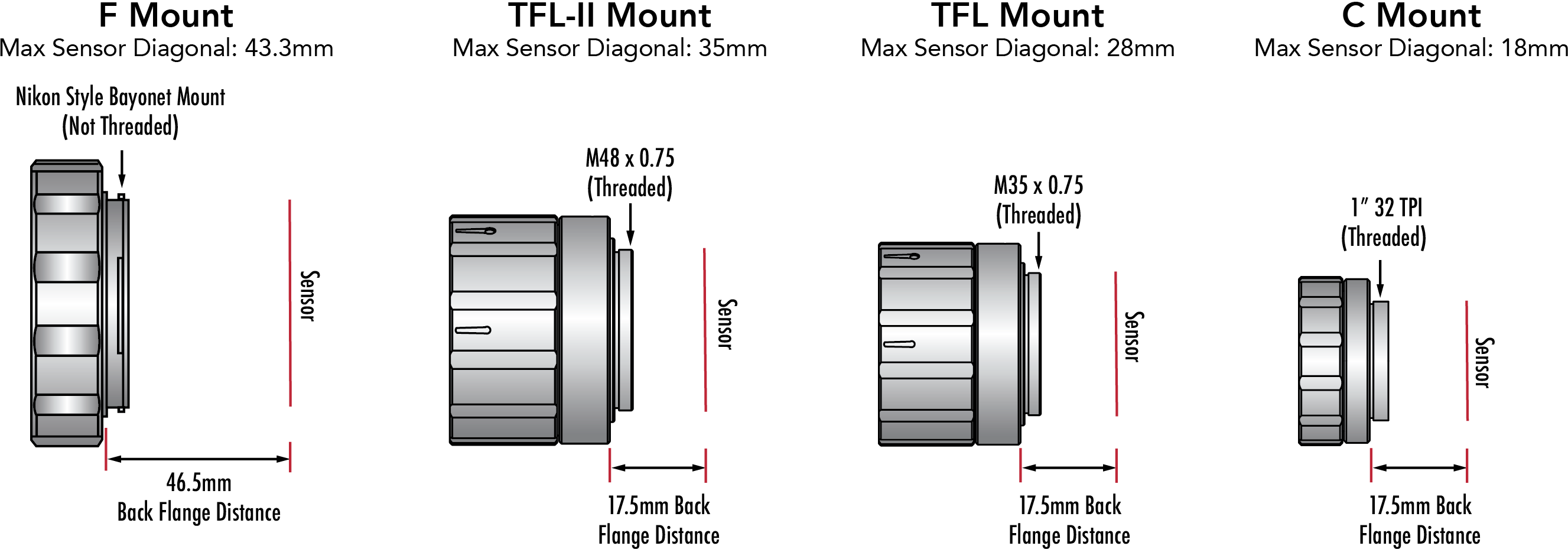
Understanding Camera Mounting Interfaces

Interested in learning about the different types of camera mounts available from Edmund Optics?

Jetzt ansehen

Edmund Optics Imaging Lab 1.4: Depth of Field

Learn how to specify imaging system components.

Jetzt ansehen

Edmund Optics Imaging Lab 1.7: Contrast In Depth

Learn how to specify imaging system components.

Jetzt ansehen

Modulation Transfer Function (MTF)

Nyquist Limit

Resolution

Resolving Power

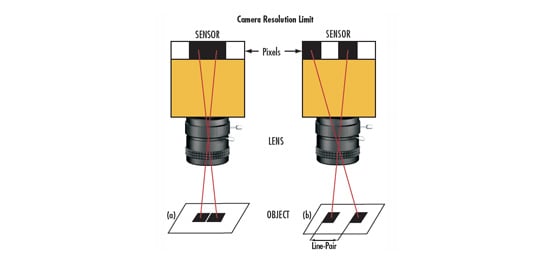
Auflösung in der Bildverarbeitung

Auflösung in der Bildverarbeitung berechnen ⇒ Pixel, Linienpaar & Sensorgrenzen ✓ Auflösung im Objektraum ✓ Beispielrechnungen ⇒ mehr erfahren!

Jetzt ansehen

Edmund Optics Imaging Lab 1.3: Resolution

Learn how to specify imaging system components.

Jetzt ansehen

Edmund Optics Imaging Lab 1.6: Resolution In Depth

Learn how to specify imaging system components.

Jetzt ansehen

Edmund Optics Imaging Lab 1.8: Depth of Field in Depth

Learn how to specify imaging system components.

Jetzt ansehen

Edmund Optics Imaging Lab Module 2: Gauging and Measurement Accuracy Overview

Learn how to specify imaging system components.

Jetzt ansehen

Edmund Optics Imaging Lab 2.1: Distortion

Learn how to specify imaging system components.

Jetzt ansehen

Edmund Optics Imaging Lab 2.2: Telecentricity

Learn how to specify imaging system components.

Jetzt ansehen

Edmund Optics Imaging Lab Module 3: Illumination Overview

Learn how to specify imaging system components.

Jetzt ansehen

EO Imaging Lab 3.1: Grundlagen Beleuchtungskonzepte

Erfahren Sie, wie Komponenten eines Bildverarbeitungssystems spezifiziert und ausgewählt werden.

Jetzt ansehen

How I do select the correct testing target for my electronic imaging system (camera & lens)?

If I'm using a digital camera do I still need an image capture board (frame grabber)?

C-Mount

Field of View (FOV)

Magnification

Is frame rate, area of interest and exposure time related when using the Edmund Optics USB2.0 cameras?

I have two Basler Scout GigE cameras but I cannot use them simultaneously. When connected to a computer, either via two network cards or a single network card and a switch, they can be opened but cannot acquire images. What is causing the problem?

I am looking for a way to power a camera and a 3.3V, 2W laser (always on) in an OEM application. Which of the two - USB or Firewire – can sustain more power?